

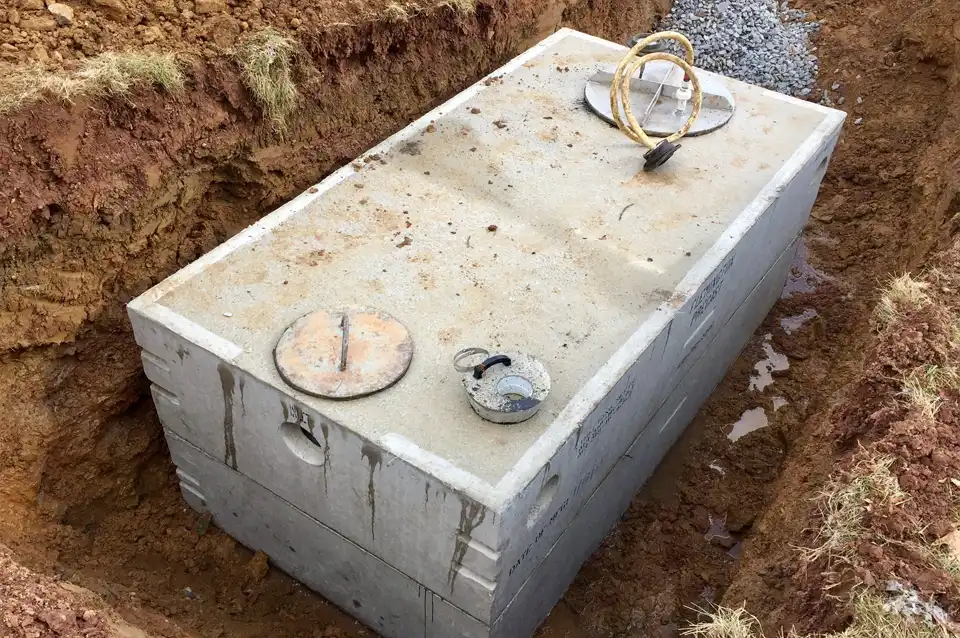
Essential Guide to Septic Tank Systems on the Central Coast
For thousands of Central Coast properties where connection to council sewerage isn’t available, septic tank systems provide essential wastewater management. These self-contained treatment systems handle household sewage on-site, protecting both your property and the environment when properly maintained. Yet many homeowners understand surprisingly little about their septic systems until problems arise, often resulting in expensive emergency repairs that could have been prevented.
Whether you’re considering purchasing a property with a septic system, planning a new installation, or maintaining an existing system, understanding how septic tanks work and what they require ensures reliable performance for decades. The Central Coast’s unique soil conditions, climate, and council regulations create specific considerations that professional guidance navigates successfully.
Understanding Septic Tank Systems
Septic tanks treat household wastewater through natural bacterial processes combined with physical settling. All wastewater from your toilets, showers, basins, kitchen, and laundry flows into the septic tank, where solids settle to the bottom, oils and grease float to the top, and partially treated water flows out to absorption trenches or disposal areas.
Inside the tank, beneficial bacteria break down organic matter, reducing solid waste volume. The scum layer at the top and sludge layer at the bottom require periodic removal through professional pump-outs, typically every three to five years depending on household size and usage patterns.
Several septic system types serve Central Coast properties. Traditional septic tanks with absorption trenches remain common in rural and semi-rural areas. Aerated wastewater treatment systems (AWTS) provide higher treatment levels, suitable for properties with challenging soil conditions or environmental sensitivities. Advanced secondary treatment systems offer the highest treatment standards, often required in environmentally sensitive locations near waterways.
According to the Central Coast Council, over 8,000 properties across the region rely on on-site sewage management systems, making proper maintenance essential for public health and environmental protection.
System selection depends on multiple factors including property size, household occupancy, soil type and absorption capacity, available land area for disposal, local rainfall patterns, and water table depth. Professional assessment ensures the right system for your specific circumstances.
Central Coast Septic Tank Regulations
NSW regulations require all septic systems to be registered with local councils. This registration allows councils to monitor and manage the cumulative environmental impact of on-site sewage management across catchment areas. The registration process involves submitting system details and obtaining an approval to operate, which outlines maintenance and operation requirements.
Central Coast Council enforces specific standards for septic system installation and operation. New installations require approval before work begins, with inspections at various stages ensuring compliance with standards. These regulations exist to protect public health, prevent groundwater contamination, and maintain environmental quality across the region.
System approvals specify pump-out frequencies, maintenance requirements, and operational conditions. Property owners bear legal responsibility for ensuring their systems meet these requirements. Failure to maintain systems properly can result in council enforcement actions and environmental health orders.
When purchasing a property with a septic system, ask critical questions about system age, type, maintenance history, and compliance status. Request documentation showing recent pump-outs, service records, and current approval to operate. These records reveal whether the system has been maintained properly and alert you to potential upcoming costs.
The NSW Government’s septic tank regulations provide comprehensive guidance on installation standards, maintenance requirements, and property owner responsibilities, ensuring consistent approaches across the state.
Signs Your Septic System Needs Attention
Foul odours around your property signal septic system problems requiring immediate attention. Sewage smells near the septic tank, absorption area, or inside your home indicate the system isn’t processing waste properly. These odours aren’t just unpleasant; they indicate potential health hazards and environmental contamination.
Slow draining fixtures throughout your home suggest your septic tank has reached capacity or your absorption trenches have failed. Unlike isolated drain blockages affecting single fixtures, septic system problems cause widespread drainage issues across all household plumbing.
Soggy ground or unusually lush grass growth over absorption areas indicates the system isn’t absorbing effluent properly. Soil saturation prevents proper wastewater treatment and creates health hazards. This problem often results from system overloading, soil compaction, or failed absorption trenches.
Sewage backing up into your home represents a serious emergency. When wastewater has nowhere else to go, it returns through your plumbing fixtures, creating dangerous contamination inside your living spaces. This situation demands immediate professional intervention.
Gurgling sounds from toilets or drains when using plumbing fixtures indicate air trapped in your septic system, often signalling blockages or capacity issues. These sounds provide early warning before more serious problems develop.
High nitrate levels in nearby wells suggest septic system failures contaminating groundwater. If you have a bore or well, periodic water testing ensures your septic system isn’t affecting water quality.
Surface water pooling near the absorption area after the septic tank has been pumped indicates absorption trench failure. The soil has lost its capacity to absorb effluent, requiring system repairs or replacement.
Proper Septic Tank Maintenance
Regular pump-outs form the cornerstone of septic system maintenance. Accumulated sludge and scum reduce the tank’s effective volume, allowing solids to flow into absorption trenches where they cause failures. Most systems require pumping every three to five years, though larger households or smaller tanks may need more frequent service.
Never delay pump-outs beyond recommended intervals. The money saved by extending service intervals pales compared to absorption trench replacement costs when solids escape the tank and clog the disposal system.
Water conservation significantly extends septic system life. Excessive water use overloads systems, preventing proper settling and treatment. Fix leaking taps promptly, install water-efficient fixtures, spread laundry loads throughout the week rather than doing multiple loads in one day, and avoid unnecessary water waste.
According to Master Plumbers, water-efficient practices can extend septic system life by up to 50%, preventing premature failures and reducing maintenance costs substantially.
What you put down drains affects system performance dramatically. Only human waste and toilet paper belong in septic systems. Never flush wet wipes, sanitary products, cotton buds, dental floss, cigarette butts, or any non-biodegradable items. These materials don’t break down in septic tanks and cause blockages throughout the system.
Avoid chemical drain cleaners, antibacterial soaps, and excessive bleach use. These products kill the beneficial bacteria essential for breaking down waste in septic tanks. Use septic-safe cleaning products and moderate amounts to protect bacterial populations.
Grease and cooking oils never belong down your drains. They solidify in pipes and septic tanks, creating blockages and reducing treatment efficiency. Dispose of grease in your rubbish bin after letting it solidify in containers.
Protect your absorption area by avoiding vehicle traffic, construction, or landscaping that compacts soil. Compacted soil cannot absorb effluent properly, causing system failures. Don’t plant trees near absorption areas; roots will infiltrate and damage the system.
Schedule annual inspections by qualified service technicians. Professional inspections identify developing problems before they cause failures, check bacterial activity levels, inspect structural integrity, verify proper operation, and ensure compliance with approval conditions.
Installing New Septic Systems
Planning new septic system installation requires professional expertise navigating regulatory requirements and site-specific challenges. Soil testing determines absorption capacity through percolation tests, assessing how quickly water moves through soil. This testing is mandatory and guides system design.
Site characteristics including slope, drainage patterns, proximity to water sources, available land area, and existing vegetation all influence system design and placement. Professional septic designers account for these factors, ensuring compliant, effective systems.
System sizing depends on household occupancy, water usage patterns, and soil characteristics. Undersized systems fail prematurely, while oversized systems cost unnecessarily. Accurate sizing requires professional assessment considering both current and potential future needs.
Council approval processes involve submitting detailed plans, conducting required soil testing, scheduling inspections at various stages, and obtaining final approval before system operation. Licensed professionals familiar with Central Coast Council requirements navigate these processes efficiently.
Installation quality affects long-term performance dramatically. Proper depth, correct gradient, appropriate materials, and compliant construction methods all contribute to reliable operation. Engaging experienced, licensed plumbers ensures installations meet standards and perform reliably for decades.
Septic System Repairs and Upgrades
Common repairs include pump replacements for aerated systems, fixing broken pipes or fittings, repairing damaged tank lids or risers, addressing absorption trench failures, and replacing failed components. Professional diagnosis identifies problems accurately, preventing unnecessary work and expense.
Absorption trench failures represent the most significant septic system problem. When trenches lose absorption capacity, effluent pools on the surface, creating health hazards and environmental problems. Solutions range from trench rehabilitation to complete replacement, depending on failure severity.
System upgrades may be required when regulations change, household size increases, or original systems prove inadequate. Upgrading from basic septic tanks to aerated treatment systems improves effluent quality and may satisfy changed regulatory requirements.
Modern septic technologies offer improvements over older systems. Aerated systems provide superior treatment, advanced treatment systems produce higher quality effluent, and pump systems enable installation on challenging sites. Upgrading delivers better performance, increased reliability, and improved environmental outcomes.
Why Choose Professional Septic Services
Licensed septic professionals understand regulatory requirements, ensuring all work complies with council standards. This compliance protects you from enforcement actions and ensures proper system operation.
Experience with Central Coast soil conditions, climate factors, and local regulations enables effective solutions. All Purpose Plumbing NSW’s team brings over 20 years of local knowledge to every septic project, understanding the unique challenges Central Coast properties face.
Professional equipment ensures thorough pump-outs, accurate inspections, and quality installations. Specialised vacuum trucks, inspection cameras, and testing equipment deliver results DIY approaches cannot match.
Comprehensive services covering installation, maintenance, repairs, and emergency callouts mean one trusted team handles all your septic needs. From routine pump-outs to complete system replacements, All Purpose Plumbing NSW provides complete septic solutions.
The team also handles related plumbing services including drain cleaning, leak detection, and emergency plumbing, providing complete plumbing expertise for Central Coast properties.
Protecting Your Investment
Septic systems represent significant property investments requiring proper care. Regular maintenance prevents expensive failures, protects property values, ensures regulatory compliance, and safeguards environmental quality. Understanding your system’s requirements and engaging professional services when needed ensures reliable performance for decades.
Properties throughout the Central Coast from rural areas to semi-rural subdivisions depend on septic systems for essential wastewater management. Whether you’re maintaining an existing system, planning an installation, or addressing problems, professional expertise ensures successful outcomes.
Need septic tank services on the Central Coast? Don’t risk system failures or regulatory problems. Call All Purpose Plumbing NSW now on 0409 658 659 for expert septic tank installation, maintenance, and repairs. Our experienced team understands Central Coast regulations and soil conditions, delivering reliable septic solutions that protect your property and the environment. Professional service you can trust.