

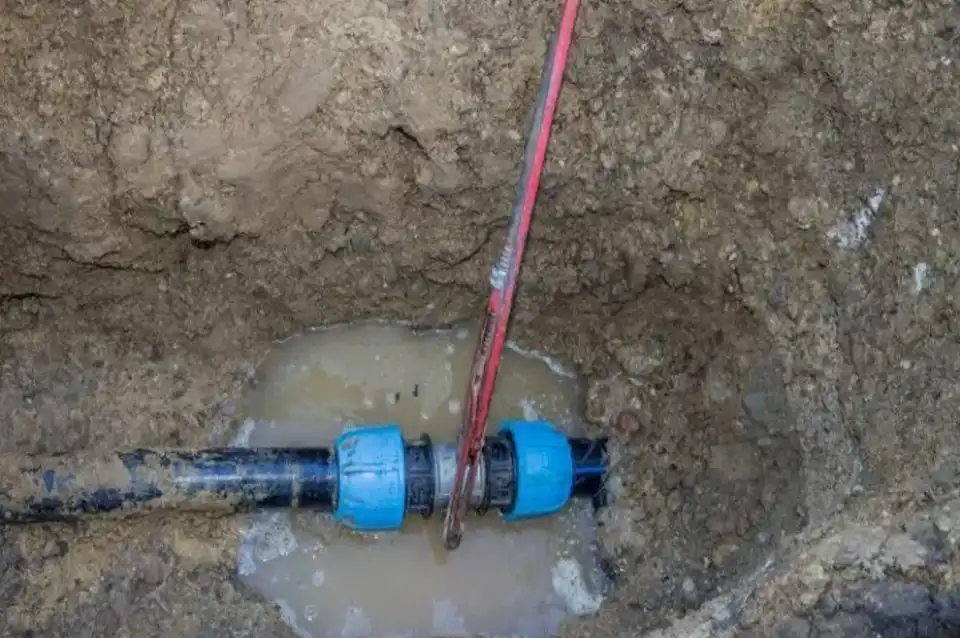
Modern Leak Detection Methods Explained for Central Coast Homeowners
Understanding leak detection methods helps Central Coast homeowners appreciate professional plumbing services. How do plumbers actually find hidden leaks? The answer involves sophisticated technology and proven techniques.
Modern leak detection methods have revolutionised the plumbing industry. Previously, finding hidden leaks meant guesswork and extensive property damage. Today, advanced leak detection methods locate problems precisely. Moreover, they do this without unnecessary excavation.
Professional plumbers on the Central Coast use multiple leak detection methods. Each method suits different situations. Furthermore, combining techniques ensures accurate results. Ultimately, this saves homeowners money and stress.
Let’s explore the main leak detection methods professionals use. Additionally, we’ll explain how each works. Finally, you’ll understand why professional detection makes sense.
Acoustic Leak Detection Methods
How Sound Reveals Hidden Leaks
Acoustic leak detection methods rely on sensitive listening equipment. Specifically, water escaping from pressurised pipes creates distinctive sounds. Professional plumbers use specialised devices to hear these sounds.
The technology works brilliantly for underground and in-wall leaks. Indeed, it detects leaks beneath concrete slabs. Similarly, it finds problems behind walls. Additionally, it locates issues under landscaping.
How does the process work? First, plumbers attach listening devices to suspected areas. Then, they use headphones to amplify sounds. Subsequently, they pinpoint exact leak locations. As a result, excavation focuses on precise spots only.
According to Master Plumbers, acoustic leak detection methods are among the most accurate non-invasive techniques available. In fact, they locate leaks within centimetres of actual positions.
Ground Microphones and Listening Devices
Ground microphones represent essential acoustic leak detection methods. Specifically, these devices detect vibrations in soil and concrete. Moreover, they filter out background noise effectively.
Professional plumbers move ground microphones across suspected areas. Meanwhile, they listen for characteristic leak sounds. Eventually, sound intensity increases near leak locations. Therefore, this indicates exact problem spots.
Listening rods provide another acoustic approach. Particularly, these work well on exposed pipes. Additionally, they detect leaks in accessible areas. Consequently, they complement ground microphone work.
Electronic amplification makes modern acoustic methods highly effective. Furthermore, digital filtering removes interference. Thus, plumbers hear only leak-related sounds. Ultimately, this ensures accurate detection.
Thermal Imaging Leak Detection Methods
Temperature Differences Reveal Problems
Thermal imaging represents advanced leak detection methods using infrared technology. Essentially, these cameras detect temperature variations. Specifically, water leaks create temperature differences.
How does thermal imaging work? First, leaking water affects surrounding material temperatures. Subsequently, infrared cameras visualise these temperature variations. As a result, wet areas appear different from dry areas.
This technology works excellently for several applications. For instance, it detects hot water system leaks. Similarly, it finds moisture in walls. Additionally, it identifies wet areas in roof spaces. Furthermore, it locates slab leaks beneath floors.
Thermal imaging provides non-invasive leak detection methods. Indeed, plumbers scan areas without drilling or cutting. Moreover, they identify problems quickly. Therefore, property damage stays minimal.
Benefits of Infrared Technology
Infrared leak detection methods offer multiple advantages. Primarily, they’re completely non-destructive. Additionally, they work through various materials. Furthermore, they provide visual evidence of problems.
The technology reveals moisture patterns clearly. Consequently, plumbers distinguish between active leaks and old water damage. Moreover, they assess damage extent accurately. Thus, repair planning becomes more effective.
Thermal cameras also detect problems early. Specifically, they find leaks before visible symptoms appear. As a result, homeowners avoid extensive damage. Ultimately, this saves significant repair costs.
Tracer Gas Leak Detection Methods
Hydrogen and Nitrogen Detection
Tracer gas represents highly effective leak detection methods for difficult situations. Particularly, it works brilliantly for slab leaks. Similarly, it locates underground pipe leaks. Additionally, it finds problems in inaccessible areas.
How does tracer gas work? First, plumbers introduce harmless gas into the plumbing system. Typically, this involves hydrogen and nitrogen mixtures. Then, the gas escapes through leak points. Subsequently, it rises through soil and concrete.
Sensitive detectors identify where gas emerges. Specifically, these devices measure gas concentrations at ground level. Moreover, they pinpoint exact leak locations. Therefore, excavation targets precise spots only.
According to the NSW Government’s plumbing standards, tracer gas leak detection methods provide exceptional accuracy for underground leaks. Furthermore, they prevent unnecessary property damage.
Safe and Effective Gas Technology
The gases used in these leak detection methods are completely safe. Indeed, they’re non-toxic and non-flammable in used concentrations. Additionally, they dissipate rapidly after detection. Moreover, they don’t affect plumbing systems.
Tracer gas works where other methods struggle. For instance, it detects leaks beneath thick concrete slabs. Similarly, it finds problems under paved areas. Furthermore, it locates leaks beneath landscaping. Consequently, it saves extensive excavation costs.
The detection process moves quickly too. Typically, plumbers complete assessments within hours. Therefore, homeowners receive fast answers. Ultimately, this enables prompt repairs.
CCTV Camera Leak Detection Methods
Visual Inspection Technology
CCTV cameras provide invaluable leak detection methods for drainage systems. Specifically, these cameras navigate through pipes internally. Moreover, they provide real-time video footage. Additionally, they reveal exact problem locations.
How do CCTV inspections work? First, plumbers insert waterproof cameras into drains. Then, cameras travel through pipe systems. Subsequently, plumbers observe footage on monitors. As a result, they identify cracks, damage, and leaks.
This technology reveals multiple problems beyond leaks. For instance, it shows tree root intrusion. Similarly, it identifies pipe corrosion. Additionally, it detects structural damage. Furthermore, it locates blockage causes.
CCTV inspection offers permanent documentation too. Indeed, plumbers record footage for reference. Moreover, this helps with insurance claims. Therefore, homeowners receive comprehensive evidence.
Camera Capabilities and Benefits
Modern CCTV leak detection methods use sophisticated equipment. Specifically, cameras include powerful LED lighting. Additionally, they feature high-resolution imaging. Furthermore, they attach to flexible cables for navigation.
Some cameras include location transmitters. Consequently, these indicate exact positions above ground. Moreover, this guides excavation precisely. Thus, property damage stays minimal.
The footage quality enables detailed analysis. Particularly, plumbers zoom in on problem areas. Similarly, they review footage multiple times. Additionally, they share findings with homeowners. Therefore, everyone understands the situation clearly.
Pressure Testing Leak Detection Methods
Isolating Problem Areas
Pressure testing represents fundamental leak detection methods for plumbing systems. Essentially, these tests isolate specific pipe sections. Moreover, they determine whether leaks exist. Additionally, they estimate leak severity.
How does pressure testing work? First, plumbers close off pipe sections. Then, they introduce air or water pressure. Subsequently, they monitor pressure levels over time. If pressure drops, leaks exist somewhere.
This method works well for new installations. Similarly, it verifies repair quality. Additionally, it identifies which pipe sections need attention. Therefore, it guides further investigation.
Pressure testing helps quantify leak severity too. Specifically, rapid pressure drops indicate major leaks. Conversely, slow drops suggest minor problems. Consequently, this information guides repair priorities.
Water and Air Pressure Tests
Different leak detection methods use different pressure mediums. For instance, water pressure tests suit certain applications. Alternatively, air pressure tests work better for others. Each approach offers specific advantages.
Air pressure testing provides sensitive leak detection. Indeed, air escapes through tiny openings easily. Moreover, it doesn’t risk water damage. Therefore, it suits occupied properties well.
Water pressure testing mimics actual operating conditions. Consequently, it provides realistic leak assessment. Additionally, it identifies problems affecting daily use. Thus, it ensures comprehensive evaluation.
Moisture Meter Leak Detection Methods
Measuring Water Content
Moisture metres represent simple yet effective leak detection methods. Specifically, these devices measure water content in building materials. Moreover, they confirm suspected leak locations. Additionally, they assess damage extent.
How do moisture metres work? Essentially, they use electrical resistance or capacitance. Different moisture levels affect these measurements. Consequently, wet areas show distinctly different readings. Therefore, plumbers identify affected areas accurately.
These tools work on various materials. For instance, they test plasterboard moisture levels. Similarly, they assess timber water content. Additionally, they measure concrete dampness. Furthermore, they evaluate floor covering moisture.
Moisture metres help distinguish between problems too. Particularly, they differentiate active leaks from old water damage. Moreover, they track drying progress after repairs. Thus, they ensure complete problem resolution.
Pinpointing Wet Areas
Modern moisture metres offer multiple detection modes. Specifically, some use pins inserted into materials. Alternatively, others scan surfaces without penetration. Each mode suits different applications.
Pin-type metres provide precise measurements. Indeed, they measure exact moisture levels. Moreover, they work well for accessible areas. Therefore, they suit detailed investigation.
Pinless metres scan larger areas quickly. Consequently, they identify wet zones rapidly. Additionally, they don’t damage surfaces. Thus, they suit initial assessments well.
Combining Leak Detection Methods for Best Results
Multi-Method Approach
Professional plumbers rarely rely on single leak detection methods. Instead, they combine multiple techniques. Why? Because each method offers specific strengths. Moreover, combining approaches ensures accuracy.
For example, thermal imaging might identify wet areas. Then, acoustic detection pinpoints exact leak locations. Subsequently, CCTV cameras confirm pipe damage. Finally, moisture metres assess damage extent. Consequently, this comprehensive approach ensures nothing’s missed.
The multi-method strategy saves money too. Specifically, it prevents unnecessary excavation. Additionally, it reduces property damage. Furthermore, it ensures repairs target actual problems. Ultimately, this delivers better value for homeowners.
All Purpose Plumbing NSW uses comprehensive leak detection methods across the Central Coast. Additionally, the team invests in latest technology. Moreover, technicians receive ongoing training. Therefore, they deliver accurate results consistently.
Beyond leak detection, the company provides complete plumbing solutions. For instance, they offer drain cleaning services. Similarly, they handle hot water repairs. Additionally, emergency plumbing remains available 24/7.
Experience and Expertise Matter
Advanced leak detection methods require skilled operators. Indeed, technology alone doesn’t guarantee results. Moreover, interpretation requires experience. Therefore, choosing qualified professionals matters enormously.
Experienced plumbers recognise subtle indicators. Specifically, they understand different leak signatures. Additionally, they know which methods suit specific situations. Furthermore, they interpret results accurately. Consequently, this expertise ensures reliable detection.
Local knowledge enhances leak detection methods too. Particularly, Central Coast plumbers understand regional challenges. For instance, they know coastal corrosion patterns. Similarly, they recognise soil-related issues. Additionally, they understand local construction methods. Thus, this knowledge improves detection accuracy.
Professional Leak Detection Protects Your Investment
Understanding leak detection methods helps you appreciate professional services. Indeed, these sophisticated techniques find problems accurately. Moreover, they minimise property damage. Additionally, they save money long-term.
Don’t wait for visible leak damage to appear. Instead, use professional leak detection methods when you suspect problems. Ultimately, early detection prevents extensive damage. Therefore, it protects your Central Coast property investment.
Suspect hidden leaks in your Central Coast property? Call All Purpose Plumbing NSW now on 0409 658 659 for professional leak detection services. Our advanced leak detection methods find hidden leaks quickly and accurately without unnecessary property damage. Protect your home with expert leak detection today.