

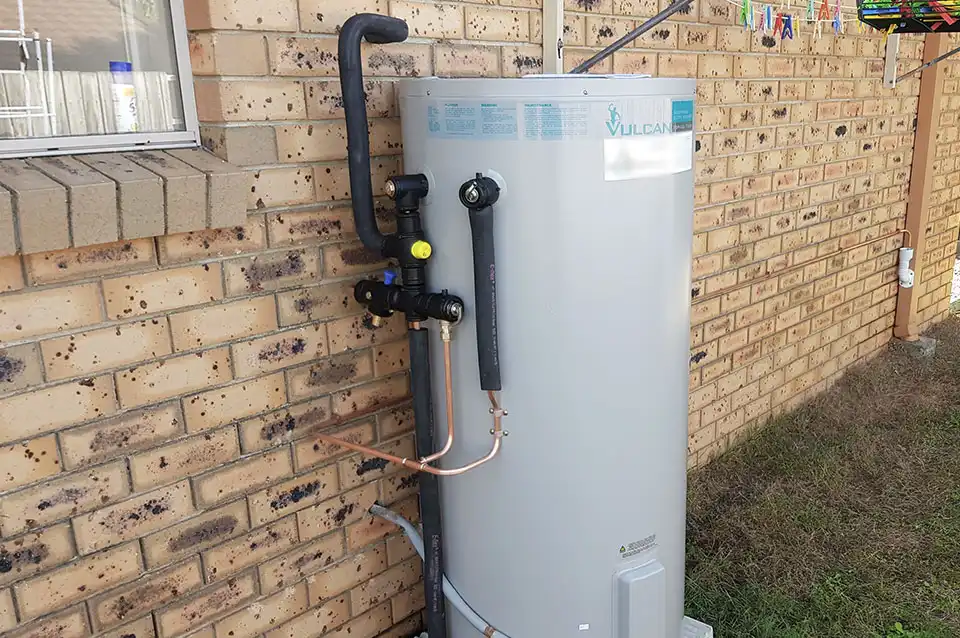
Getting the Most from Your Hot Water Investment
Your hot water system represents a significant household investment. Understanding its expected lifespan helps you plan ahead. It also helps you maximise your return on investment.
Central Coast homeowners frequently ask how long their systems should last. However, the answer isn’t straightforward. Multiple factors influence longevity.
These factors include the type of system you own. They also include how well you maintain it. Even your location on the Central Coast plays a role.
The good news? Proper care dramatically extends system life. In fact, it often adds years to the typical lifespan. Understanding what affects longevity protects your investment. It also ensures reliable hot water for your family.
Average Lifespan by System Type
Electric Storage Systems
Electric storage hot water systems typically last 8 to 12 years. This assumes proper maintenance, of course. These common systems heat water using electric elements inside insulated storage tanks.
The tank itself usually determines system lifespan. Quality tanks last longer than budget models. For instance, vitreous enamel-lined tanks resist corrosion better. This extends their service life significantly.
Premium electric systems can exceed 15 years. These feature superior insulation and corrosion protection. However, cheaper units fail sooner. Especially when installed without adequate maintenance.
Gas Storage Systems
Gas storage hot water systems generally last 10 to 15 years. Gas systems heat water faster than electric units. They also often feature more robust construction.
The burner assembly adds complexity. So does the heat exchanger and flue components. Despite this, modern gas units prove remarkably reliable.
Instantaneous Gas Systems
Instantaneous gas systems heat water on demand. They don’t store it. As a result, they often last 15 to 20 years.
Why do they last longer? They avoid storage tanks susceptible to internal corrosion. This eliminates the primary failure mode affecting storage units.
The heat exchanger eventually deteriorates. This happens through constant heating and cooling cycles. Nevertheless, quality units provide excellent longevity.
According to Master Plumbers, regular servicing makes a huge difference. In fact, it can extend system life by up to 40%. This makes maintenance the single most important factor in maximising your investment.
Solar Hot Water Systems
Solar hot water systems offer impressive longevity. The panels typically last 15 to 20 years. The storage tank lasts 10 to 15 years.
Interestingly, solar collectors generally outlast the tank. Why? They contain no moving parts. They also aren’t exposed to internal water chemistry.
This means you can replace the storage tank while retaining functioning panels. This provides economical system renewal.
Heat Pump Systems
Heat pump hot water systems generally last 10 to 15 years. These systems use refrigeration technology. They extract heat from the air, making them highly efficient.
However, they’re mechanically complex. The compressor, evaporator, and refrigerant circuit eventually wear out. Still, quality units provide reliable service throughout their lifespan.
Factors That Shorten Hot Water System Life
Water Quality Issues
Water quality dramatically affects system longevity. Hard water is the main culprit. It contains high mineral concentrations that accelerate problems.
These problems include internal corrosion and sediment buildup. Many Central Coast areas have moderately hard water. This gradually damages hot water systems over time.
What happens during heating? Minerals separate from water. They settle at the tank bottom. They also coat heating elements.
This sediment layer causes problems. It insulates heating elements from water. This forces them to work harder and longer. The increased workload shortens element life. It also reduces system efficiency.
Additionally, sediment creates hot spots in tank bottoms. This accelerates corrosion. It can potentially cause tank failures.
Coastal Salt Exposure
Coastal salt exposure affects hot water systems significantly. This is particularly true in beachside suburbs. Think Terrigal, Avoca Beach, Umina Beach, and Woy Woy.
Salt-laden air corrodes external components faster. It affects fittings and tank exteriors. The corrosion happens faster than inland areas experience.
The solution? Regular inspection and corrosion treatment. These extend system life in challenging environments.
Poor Installation
Poor installation causes premature failures. Proper setup would prevent these issues. For example, incorrectly sized systems work harder than necessary. This means they wear out faster.
Inadequate pressure relief valve installation creates problems. It poses safety hazards. It can also cause potential tank damage.
Improper venting on gas systems is another issue. It affects both performance and safety. The lesson? Always engage licensed, experienced plumbers for installation.
According to the NSW Government’s hot water efficiency standards, proper installation matters. It ensures systems deliver optimal performance. It also ensures longevity while meeting safety requirements.
Neglected Maintenance
Neglected maintenance dramatically shortens system life. Hot water systems require annual servicing. This includes several important tasks.
First, sacrificial anode inspection and replacement. Second, sediment flushing. Third, pressure relief valve testing. Finally, general operational checks.
What happens when homeowners skip this maintenance? Their systems fail years earlier. Much earlier than properly maintained units.
Excessive Demand
Excessive demand stresses hot water systems. Oversized households using small systems create problems. They force continuous operation. This accelerates wear.
Do you regularly run out of hot water? This indicates undersized systems. They’re working beyond their design capacity. This inevitably shortens their lifespan.
Temperature Settings
Temperature settings affect longevity too. Extremely high settings accelerate internal corrosion. They also increase scale formation.
Conversely, temperatures below 60 degrees Celsius allow bacteria growth. Harmful bacteria, in fact. The solution? Proper temperature management. This balances safety, efficiency, and longevity.
The Critical Role of Sacrificial Anodes
Sacrificial anodes represent the most important component affecting hot water system lifespan, yet many homeowners never learn about them until their systems fail. These metal rods installed inside storage tanks deliberately corrode instead of the tank itself, protecting your investment.
Hot water tanks use steel construction covered with protective linings. However, tiny imperfections in these linings expose steel to water and oxygen, creating corrosion that eventually causes tank failure. Sacrificial anodes address this problem through electrochemical protection.
The anode rod, typically made from magnesium or aluminium alloy, corrodes preferentially to the steel tank. As long as the anode remains functional, it protects the tank from internal corrosion. However, once the anode depletes completely, tank corrosion begins immediately.
Most hot water systems include original anodes designed to last approximately five years. Without replacement, tanks begin corroding after this period, significantly shortening overall system life. Replacing depleted anodes costs $150 to $300 but can extend tank life by five to ten years, representing extraordinary value.
Anode inspection requires professional expertise. Plumbers remove the anode through an access port, assess its remaining material, and recommend replacement when necessary. This simple service during annual maintenance prevents premature tank failures and maximises your hot water system investment.
Some premium hot water systems use powered anodes that provide continuous protection without deterioration. These systems eliminate the need for anode replacement, providing superior long-term protection with minimal maintenance.
Maintenance That Extends System Life
Annual professional servicing represents the single most effective method for extending hot water system life. During these services, plumbers inspect sacrificial anodes, flush sediment from tanks, test pressure relief valves, check for leaks or corrosion, verify proper operation, and assess overall system condition.
This comprehensive inspection identifies developing problems before they cause failures. Replacing a $200 element costs far less than replacing a $2,000 system that failed because a deteriorating element went unnoticed.
Sediment flushing removes mineral buildup that accelerates corrosion and reduces efficiency. Many plumbers recommend quarterly sediment flushing in hard water areas, though annual flushing suffices for most Central Coast properties. The process involves draining several litres from the tank bottom until water runs clear.
Pressure relief valve testing ensures these critical safety devices function properly. Valves that fail to operate allow dangerous pressure buildup, while valves that leak waste water and energy. Annual testing identifies problems before they create hazards or damage.
Temperature and pressure gauge monitoring helps detect developing problems. Unusual pressure readings or temperature inconsistencies often indicate issues requiring professional attention. Many modern systems include built-in monitoring, but older units benefit from external gauge installation.
Insulation blankets on older electric systems reduce heat loss, improving efficiency and reducing element workload. While modern systems include adequate insulation, older units often benefit from supplemental insulation, particularly in cool climates or outdoor installations.
All Purpose Plumbing NSW offers comprehensive hot water system maintenance programs specifically designed for Central Coast conditions. Regular servicing prevents premature failures while ensuring optimal performance and efficiency throughout your system’s life.
Signs Your System Approaches End of Life
Age alone provides the first indicator. If your electric storage system exceeds ten years or your gas system surpasses 12 years, start planning for eventual replacement. While well-maintained systems often exceed these ages, having replacement plans prevents emergency situations when systems fail unexpectedly.
Rust-coloured hot water indicates internal tank corrosion. While replacing sacrificial anodes might slow this deterioration, rusty water usually signals tank failure within months. Plan replacement promptly rather than waiting for complete failure.
Leaking tanks cannot be repaired. Any water leaking from the tank itself rather than valves or fittings indicates the end of system life. Small leaks worsen rapidly as corrosion accelerates, making immediate replacement necessary.
Reduced hot water capacity despite normal usage patterns suggests sediment buildup or failing heating elements. While these components can be replaced, significant capacity reduction on aging systems often indicates multiple components nearing failure, making replacement more economical than repairs.
Unusual noises including rumbling, popping, or banging sounds indicate severe sediment buildup. The minerals create hot spots and stress that accelerate tank failure. Flushing might provide temporary improvement, but excessive noise on older systems usually indicates approaching end of life.
Frequent repairs within short timeframes suggest systemic problems. If you’ve replaced multiple components over several months, the entire system likely approaches the end of its useful life. Continuing repairs often costs more than replacement while providing less reliable results.
Rising energy bills without usage changes indicate declining efficiency. Aging systems work harder to produce the same hot water, consuming more energy. Modern efficient systems often pay for themselves through energy savings over just a few years.
Making Replacement Decisions
When systems approach end of life, consider replacement timing strategically. Replacing systems before complete failure provides several advantages. You choose replacement timing rather than facing emergency situations. You research options and compare pricing without urgency. You select the best system for your needs rather than accepting whatever’s immediately available. You potentially avoid water damage from catastrophic failures.
Modern systems offer significant efficiency improvements over older models. Heat pump and solar systems particularly deliver ongoing energy savings that offset higher initial costs. Government rebates and incentives often apply to efficient system upgrades, reducing upfront expenses.
System sizing matters enormously for longevity and satisfaction. Undersized systems work continuously, wearing out faster while never providing adequate hot water. Oversized systems waste energy heating water you never use. Professional assessment ensures proper sizing for your household’s actual needs.
The team at All Purpose Plumbing NSW helps Central Coast homeowners select appropriate replacement systems, considering household size, usage patterns, budget constraints, and long-term efficiency. This expert guidance ensures you invest in systems that deliver reliable, efficient service for years.
Beyond hot water systems, All Purpose Plumbing NSW provides comprehensive services including drain cleaning, leak detection, and emergency plumbing available 24/7.
Maximise Your Hot Water Investment
Hot water systems provide years of reliable service when properly maintained and appropriately used. Understanding expected lifespans, implementing regular maintenance, and recognising end-of-life signs protects your investment while ensuring your family never faces unexpected cold showers.
Want to extend your hot water system’s life? Professional maintenance makes all the difference. Call All Purpose Plumbing NSW now on 0409 658 659 for expert hot water system servicing across the Central Coast. Our comprehensive maintenance programs identify problems early, replace sacrificial anodes, and keep your system running efficiently for years. Protect your investment with professional care today.